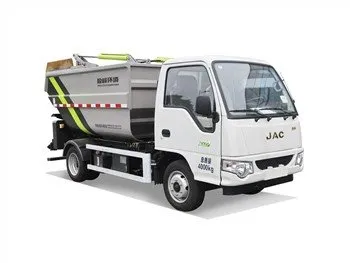
New Energy Vehicle Classification
New energy vehicles refer to the use of unconventional vehicle fuels as the power source (or the use of conventional vehicle fuels, but the use of new vehicle-mounted power units), integrated with advanced technologies in vehicle power control and drive, and the resulting technological principles are advanced, Cars with new technologies, new structures. New energy vehicles include: hybrid electric vehicles (HEV), pure electric vehicles (BEV), fuel cell vehicles (FCEV), hydrogen engine vehicles, gas vehicles, alcohol ether vehicles and so on.
Hybrid
Hybrid powertrains are those that use conventional fuels with an electric motor/engine to improve low-speed power output and fuel consumption. According to whether external charging is possible, it can be divided into plug-in hybrid electric vehicles (PHEV) and non-plug-in hybrid electric vehicles (MHEV).
Advantages of non-plug-in hybrid vehicles:
1. After the hybrid power is adopted, the maximum power of the internal combustion engine can be determined according to the average required power. At this time, it works under the optimal working conditions of low fuel consumption and less pollution. When the power of the high-power internal combustion engine is insufficient, it is supplemented by the battery; when the load is small, the surplus power can generate electricity to charge the battery. Since the internal combustion engine can continue to work, the battery can be continuously charged, so its journey is the same as that of an ordinary car.
2. Because of the battery, it is very convenient to recover the energy during braking, downhill and idling.
3. In prosperous urban areas, the internal combustion engine can be shut down and driven by the battery alone to achieve "zero" emissions.
4. With the internal combustion engine, it is very convenient to solve the problems encountered by pure electric vehicles such as air conditioning, heating, and defrosting with high energy consumption.
5. You can use the existing gas station to refuel, no need to invest again.
6. It can keep the battery in a good working condition without overcharging and overdischarging, prolonging its service life and reducing costs.
Disadvantages of non-plug-in hybrid vehicles: The long-distance high-speed driving is basically not fuel-efficient.
Advantages of plug-in hybrid vehicles:
1. Contains all the advantages of the above non-plug-in hybrid vehicles;
2. Usually have a much longer pure electric cruising range than non-plug-in hybrid vehicles, and daily commuting can be completely electric. (For example, a plug-in hybrid model of a domestic brand has achieved 100 kilometers of pure electric sailing range)
Disadvantages of plug-in hybrid vehicles: the driving experience will be reduced when the battery is low