

Yingfeng Environmental Technology Group Co., Ltd. mainly produces intelligent environmental protection equipment dominated by environmental protection robots. Its product line covers a full range of products including garbage collection and transportation vehicles, road sweepers, new energy vehicles, environmental monitoring systems, sewage treatment equipment, and environmental protection equipment.
Strong production capacity
Yingfeng Environmental products have been exported to more than 60 countries and regions around the world, including Europe, the Middle East, Southeast Asia, and Africa for more than ten years. It has 10 wholly-owned subsidiaries and 3 holding companies, 3 major industrial bases, 160+ branches, 140+ operation centers, and 260+ after-sales service outlets.
Strong R&D capabilities
Yingfeng Environment originated from a national scientific research institute and has a profound scientific research background. It has guided and participated in the formulation of more than 80% of the industry's technical standards.
Advanced technology
Yingfeng Environment currently has 2,800 employees, including 600 technical engineers, with German design concepts and first-class production lines, and revenue in 2022 will reach US$1.7 billion.
Strong sales capabilities
The company's product market share has ranked first in the country for more than 20 years.





Advantages of Garbage Transfer Collection
Efficiency in Waste Management
GTC allows for the consolidation of waste, enabling waste collection vehicles to transport larger volumes of waste at once. This can reduce the number of trips needed, which improves operational efficiency.
Improved Waste Management
Transfer stations allow for better sorting and processing of waste, which can improve recycling rates. They can serve as centers for the separation of recyclables, organic materials, and hazardous waste.
Improved Safety
Reducing the number of heavy vehicles on local streets can decrease traffic congestion and the risk of accidents, promoting safer conditions for the public and waste collection staff.
Flexibility and Scalability
Transfer stations can be set up to accommodate changing waste volumes. They can be expanded or modified based on the waste generation patterns of the communities they serve.
Enhanced Recycling Opportunities
Transfer stations can facilitate resource recovery initiatives by providing space for sorting and processing recyclable and reusable materials.
Facilitates Regional Waste Management
Transfer stations can serve multiple municipalities, supporting regional waste management strategies and promoting collaboration among different areas.
Application of Garbage Transfer Collection


Urban waste treatment
In cities, waste is first collected at various garbage stations, and then processed and sorted and compressed at transfer stations for easy transportation to final treatment or landfill.
Industrial waste management
Waste generated by industrial enterprises is usually large in volume and variety, which can be collected, sorted and processed at transfer stations to avoid environmental pollution while meeting compliance requirements.
Construction waste treatment
At construction sites, construction waste needs to be collected and sorted (such as concrete, wood, metal, etc.) and transported to specialized treatment facilities through transfer collection systems.
Sorting and processing of recyclables
After setting up collection points for recyclables in residential or commercial areas, the transfer system is used to transfer the sorted recyclables to recycling centers for further processing.
Waste management during holidays or special events
During holidays, large-scale events or meetings, the amount of waste generated increases significantly. The transfer collection system can efficiently handle the temporary increase in waste and improve cleaning efficiency.
Eco-parks and green cities
In cities that implement environmentally friendly policies, waste transfer collection can help achieve resource reuse and recycling, supporting green development goals.
Post-disaster emergency management
After a natural disaster, the transfer system can be quickly deployed to remove garbage and waste from the affected area and restore normal living environment.
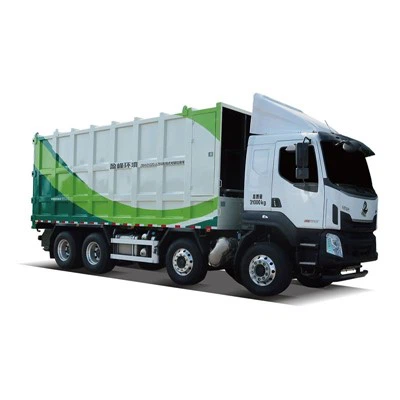
Garbage collection truck
Responsible for collecting garbage from cities, communities, commercial areas, etc., and transporting it to garbage transfer stations or treatment plants.
Common types:
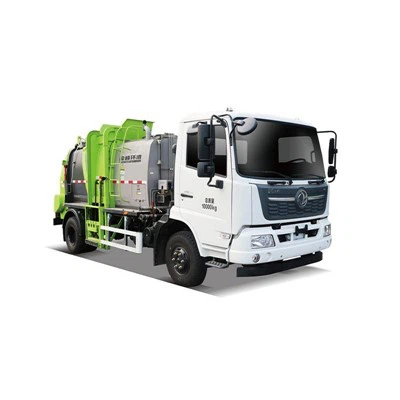
1. Bucket-type garbage truck: Suitable for residential areas and streets, automatically lifting garbage cans to dump garbage.
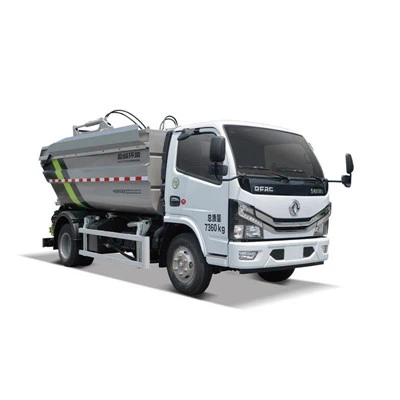
2. Sealed garbage truck: Sealed design to prevent odor diffusion and leachate leakage.
3. Sorting garbage truck: Suitable for garbage sorting operations, partitioned storage of recyclables, kitchen waste, etc.
4. Small electric garbage truck: Used for small garbage collection and transportation in parks, scenic spots, pedestrian streets, etc.
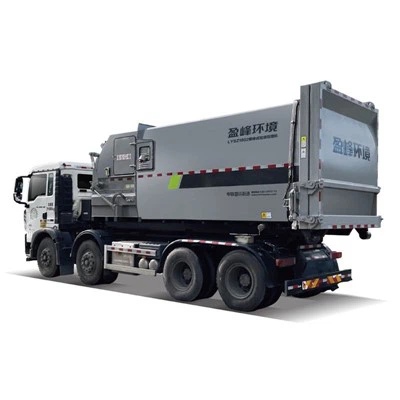
Garbage transfer truck
Transports garbage from collection points to garbage treatment plants or incineration plants, usually for long-distance transportation.
Common types:
1. Compression garbage truck: Comes with garbage compression function, increases loading capacity, and reduces transportation costs.
2. Dump garbage truck: Suitable for bulk garbage transportation such as construction waste and garden waste.
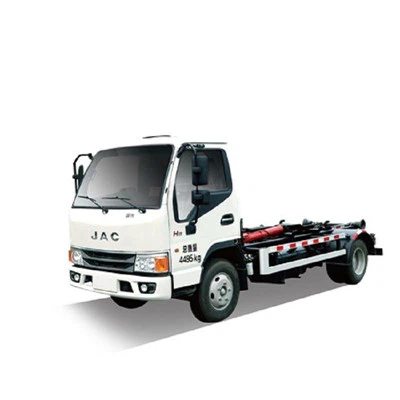
3. Hook-arm garbage truck: Flexible loading and unloading of garbage bins, often used in garbage transfer stations, suitable for use at multiple garbage points.
Garbage compression equipment
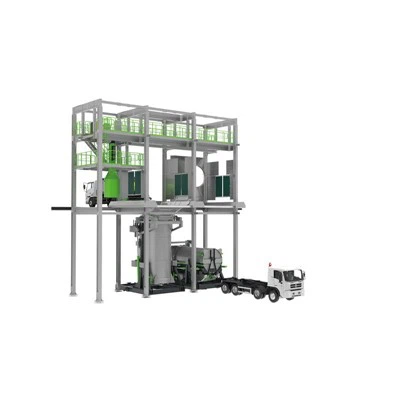
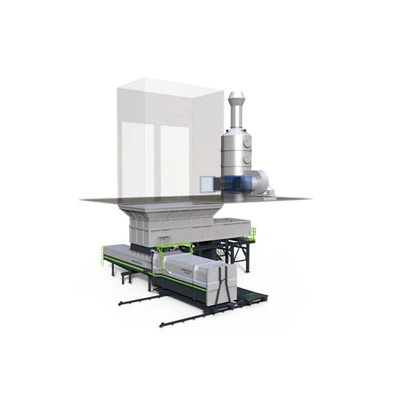
Reduces the volume of garbage, improves transportation efficiency, and reduces operating costs. Common types include fixed garbage compression stations, mobile garbage compression stations, and vehicle-mounted garbage compression stations.
Special garbage disposal vehicles
Ensure safe and environmentally friendly treatment for specific types of garbage. Common types include medical waste transfer vehicles, hazardous waste transport vehicles, food waste trucks, construction waste trucks, etc.
Fuel garbage trucks
Powerful power, suitable for long-distance transportation or large-scale garbage transfer operations.
Electric garbage trucks
Environmentally friendly and low noise, suitable for short-distance garbage collection and transportation in cities, scenic spots, parks, etc.
Customized solutions for Garbage Transfer Collection

Assessment and Planning
Needs Analysis: Conduct surveys and interviews to understand the community's waste generation patterns, types of waste (organic, recyclable, hazardous), and specific challenges.
Route Optimization: Use GIS and route optimization software to design efficient collection routes that minimize travel time, reduce emissions, and lower operational costs.
Customized Collection Schedule
Tailored Frequency: Develop a collection schedule based on the volume of waste generated in different areas. High-density areas might require more frequent pickups, while rural areas may need less.
Special Pick-Up Days: Implement special collection days for large or hazardous waste items to ensure safe disposal without impacting regular services.


Containerization Solutions
Smart Bins: Use smart bins equipped with sensors that monitor fill levels and optimize collection schedules. These bins can also report issues such as contamination or damage.
Different Bin Types: Offer various types of containers (e.g., for recyclables, organics, and general waste) to encourage proper disposal and recycling practices.
Integrating Technology
Mobile Apps: Develop a mobile app for residents that provides schedules, missed pickups, recycling guidelines, and upcoming events related to waste management.
Tracking and Analytics: Implement a tracking system to monitor collection efficiency, response times, and community participation rates, allowing for continual improvement.
Regular Inspections
Conduct routine inspections of transfer stations and collection vehicles.Check for signs of wear and tear on equipment and structural components.
Mechanical Maintenance
Schedule regular servicing for trucks, compactors, and other machinery. Inspect hydraulic systems for leaks and ensure fluid levels are maintained.Check brakes, tires, lights, and other safety features on collection vehicles.
Cleaning Procedures
Implement a routine cleaning schedule for vehicles and transfer stations to prevent contamination and bad odors. Address spills immediately to maintain safety and hygiene.
Pest Control
Establish a pest control plan at transfer stations to prevent infestations caused by waste materials.
Safety Procedures
Train staff on safety practices, including proper use of personal protective equipment (PPE).Ensure safety signage is visible and equipment is clearly marked.
Environmental Compliance
Stay updated on local environmental regulations and compliance requirements.Employ practices to minimize emissions and control leachate from waste materials.
Emergency Preparedness
Develop and communicate a response plan for accidents or equipment failures.Keep emergency equipment accessible and in working order.
Backup Systems
Maintain backups for critical systems to ensure operations can continue in case of a failure (e.g., standby generators for power outages).
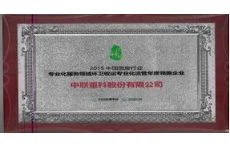
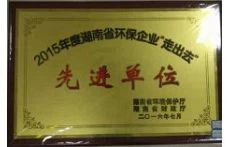
Certificate






Frequently Asked Questions
We're professional garbage transfer collection manufacturers and suppliers in China, specialized in providing high quality customized products. We warmly welcome you to buy cheap garbage transfer collection in stock here from our factory. Contact us for discount information.
kitchen waste management truck, 7 Tons Self-loading And Dumping Garbage Truck, Self-loading Dumping Garbage Truck