

Yingfeng Environmental Technology Group Co., Ltd. mainly produces intelligent environmental protection equipment dominated by environmental protection robots. Its product line covers a full range of products including garbage collection and transportation vehicles, road sweepers, new energy vehicles, environmental monitoring systems, sewage treatment equipment, and environmental protection equipment.
Strong production capacity
Yingfeng Environmental products have been exported to more than 60 countries and regions around the world, including Europe, the Middle East, Southeast Asia, and Africa for more than ten years. It has 10 wholly-owned subsidiaries and 3 holding companies, 3 major industrial bases, 160+ branches, 140+ operation centers, and 260+ after-sales service outlets.
Strong R&D capabilities
Yingfeng Environment originated from a national scientific research institute and has a profound scientific research background. It has guided and participated in the formulation of more than 80% of the industry's technical standards.
Advanced technology
Yingfeng Environment currently has 2,800 employees, including 600 technical engineers, with German design concepts and first-class production lines, and revenue in 2022 will reach US$1.7 billion.
Strong sales capabilities
The company's product market share has ranked first in the country for more than 20 years.
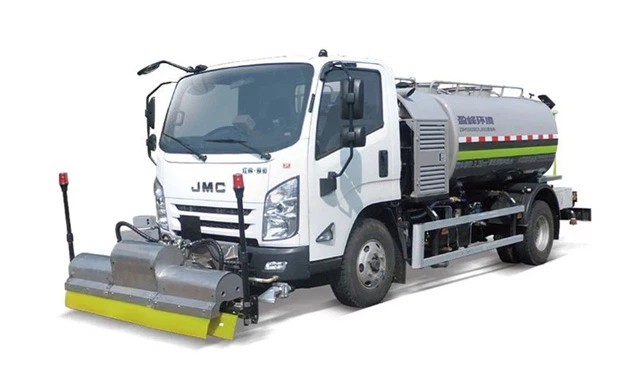
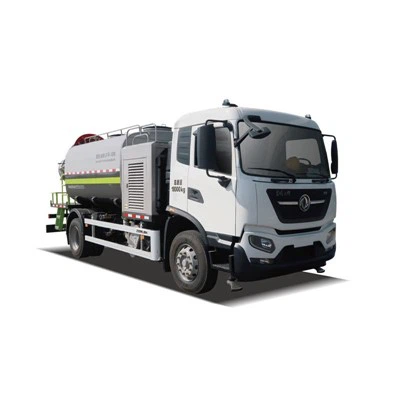
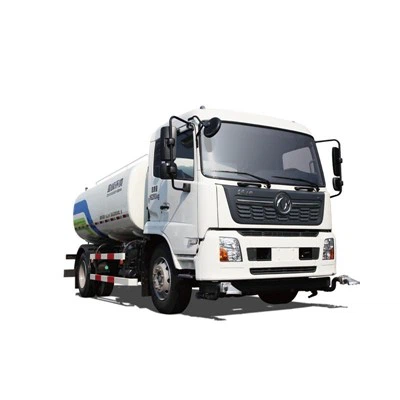
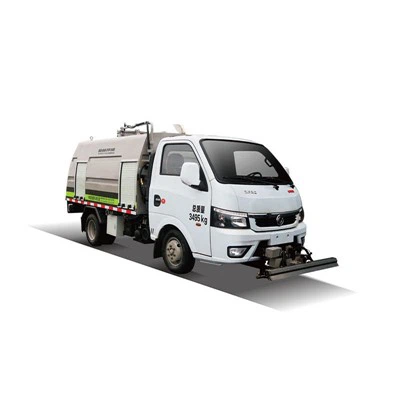
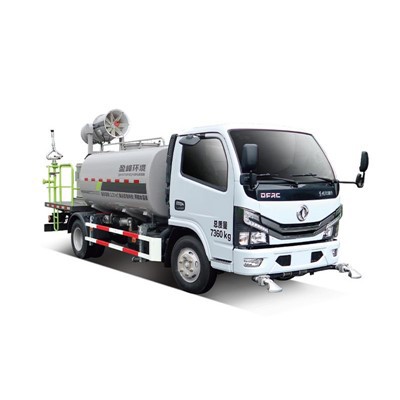
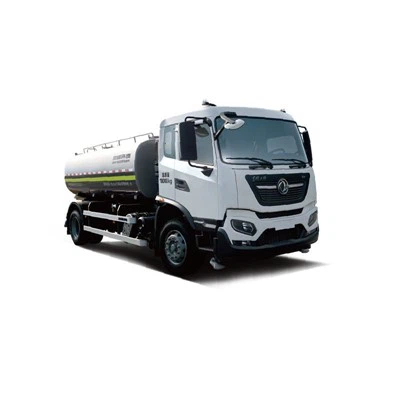
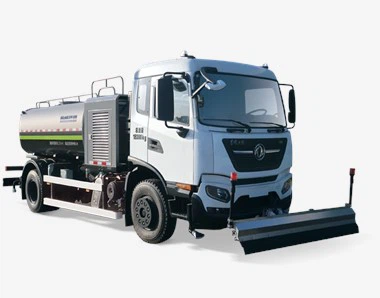

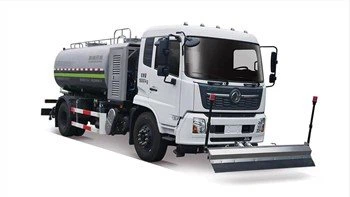


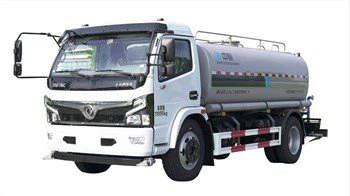
Advantages of Watering Vehicle
Time-Saving
Compared to manual watering methods, vehicles can cover more ground in significantly less time, making them ideal for large-scale applications.
Soil Moisture Management
Consistent and controlled watering helps maintain optimal soil moisture levels, which is crucial for healthy plant growth, particularly during dry spells.
Dust Control
They are effective in controlling dust on roads and construction sites, improving air quality and visibility for drivers.
Temperature Regulation
Watering can help lower temperatures in urban areas, mitigating the heat island effect and contributing to better microclimates.
Improved Plant Health
For agricultural purposes, consistent and adequate watering is crucial for crop health and yield, which watering vehicles can help ensure.
Irrigation Support
They can supplement traditional irrigation methods, especially in areas where water resources are limited or where irrigation infrastructure is inadequate.
Application of Watering Vehicle




Agriculture
Watering vehicles are used for irrigating fields, crops, and gardens, especially in areas lacking a reliable water supply.They can deliver water to livestock and serve as a mobile source of liquid for agricultural operations.
Construction Sites
Sprinklers are important for dust control on construction sites, helping to reduce airborne particles and improve air quality. They are also used to compact the soil, ensuring the ground is moist enough to build foundations.
Firefighting
Water tankers can be equipped with firefighting equipment to provide water supply to firefighters in areas without hydrants.They serve as mobile water sources during wildfires or in remote regions.
Public Works and Infrastructure
Municipalities use watering vehicles for street cleaning and dust suppression on roads and highways.They are often utilized in the maintenance of parks, gardens, and recreational areas to ensure greenery is maintained.
Emergency Relief
In disaster response situations, water tankers can provide vital water supplies to affected communities following natural disasters like floods or earthquakes.
Mining Operations
The mining industry utilizes watering vehicles for dust control on unpaved roads and to keep mining areas damp to enhance safety.
Fishing and Aquaculture
Water tankers can be used to transport water for aquaculture operations, ensuring fish have the necessary water quality and volume.
Pure electric sprinkler
Low noise, energy-saving and environmentally friendly, suitable for urban main roads, commercial areas, parks, campuses, etc.
Fuel sprinkler
Powerful power, suitable for long-term and large-scale watering operations. Suitable for urban and rural roads, highways, construction sites, etc.
Hybrid water truck
Combined with fuel and power systems, energy-saving and environmentally friendly, adaptable to a variety of operation modes. Suitable for urban roads, industrial areas, mining areas and other areas that require long-term operations.
Road cleaning sprinkler
With front flushing, rear sprinkling, side spraying, high-pressure water gun and other functions. Used to clean urban roads, reduce dust, and improve air quality.
Greening spraying sprinkler
Equipped with sprinkler nozzles and high-pressure water guns, the water flow mode (rain, column, etc.) can be adjusted. Used for watering green belts, parks, trees and other areas.
Fire sprinkler
High-pressure water cannon, large-capacity water tank, remote control of the spray angle. It has both fire water source transportation and spraying functions, and is used for temporary fire emergency.
Dust removal and dust suppression water truck
Can be equipped with a spray system and air-supplied fog cannon with a long spraying range. Used for dust reduction operations in coal mines, construction sites, logistics parks and other scenes.
Ice and snow melting water truck
Equipped with a snow melting agent spraying device and a hot water spraying system. Used for snow removal and antifreeze on roads in winter, spraying snow melting agent or hot water. Suitable for scenes such as roads, bridges, and highways in cold areas.
Multifunctional water truck
Integrates functions such as watering, sweeping, spraying, dust reduction, and emergency firefighting. Suitable for municipal sanitation, landscaping, industrial cleaning, etc.
High-pressure spray water truck
Uses a high-pressure water pump to spray water, suitable for cleaning stubborn stains or long-distance spraying. Suitable for industrial parks, mining areas, highways, etc.
Customized solutions for Watering Vehicle
Chassis Selection: Choose a vehicle chassis that meets your load capacity and terrain requirements. Options may include light trucks, medium-duty trucks, or specialized utility vehicles.
Tank Capacity: Determine the tank size based on the intended use—ranging from a few hundred liters for small gardens to several thousand liters for large agricultural operations.
Tank Material: Use corrosion-resistant materials like polyethylene or stainless steel to ensure longevity and prevent contamination.
Pump Selection: Choose an appropriate pump type (centrifugal, diaphragm) based on the flow rate and pressure requirements for effective watering.
Nozzle Options: Implement adjustable nozzles for versatility—options range from fine mist to large droplet sprays for different watering needs.
Hose Configuration: Use flexible hoses with quick-connect fittings to allow different watering attachments or a hose reel for easy storage.
Manual vs. Automated Controls: Decide whether to use manual controls or integrate automated systems that can optimize water delivery based on real-time data.
Flow Meters: Install flow meters to monitor water usage and adjust output as needed.
Remote Control Systems: Consider remote control options or mobile app integration to operate the system from a distance.
GPS and Mapping: Use GPS technology for route optimization and efficient water distribution, particularly in larger farms or parks.
Sensors and IoT: Integrate soil moisture sensors to assess when watering is needed, ensuring data-driven irrigation practices.
Data Logging: Implement data logging capabilities to track water usage, soil moisture levels, and other important metrics over time.
Recycling System: Consider incorporating a water reclamation system to collect runoff water for reuse, particularly in urban areas.
Chemical Mixing Unit: For agricultural vehicles, include a compartment for mixing fertilizers or other additives directly into the watering system.
User-Friendly Interface: Design an intuitive interface for operators to control the system efficiently.
Safety Features: Incorporate features such as emergency shut-off valves, reflective markings, and safety lighting for nighttime operation.
Maintenance precautions for Watering Vehicle

Regular Inspections
Check the Vehicle's Condition: Inspect the chassis, tires, and overall body for any signs of wear, rust, or damage.
Examine the Water Tank: Look for leaks, corrosion, or structural issues in the tank.
Inspect Hoses and Fittings: Check all hoses for cracks, leaks, or signs of wear, and ensure all fittings are secure.
Preventive Maintenance
Fluid Levels: Regularly check and maintain levels for engine oil, coolant, brake fluid, and transmission fluid.
Pump Maintenance: Inspect and service water pumps regularly according to the manufacturer’s recommendations to ensure optimal performance.
Filter Checks: Clean or replace water filters and strainers to prevent clogs that can reduce efficiency.
Water Quality Management
Use Clean Water: Ensure the water used is free from debris, chemicals, or contaminants that could damage the vehicle or affect its operations.
Regular Tank Cleaning: Clean the water tank periodically to prevent algae growth and reduce sediment build-up.
Operational Checks
Monitor Water Levels: Always keep an eye on water levels to prevent overloading or running dry during operation.
Test Spraying Equipment: Before using the vehicle extensively, test the spraying equipment to ensure it functions correctly.


Tire Maintenance
Check Tire Pressure: Regularly check and maintain proper tire pressure according to specifications for optimum performance and fuel efficiency.
Tread Checks: Inspect tread depth and wear patterns to ensure safe operation.
Engine Maintenance
Regular Oil Changes: Follow the manufacturer’s service schedule for oil changes and use the recommended oil type.
Air Filter: Regularly inspect and replace the air filter to prevent engine performance issues.
Battery Care: Check battery connections and fluid levels, and ensure terminals are clean and free from corrosion.
Electrical System Inspection
Light Functionality: Ensure all lights and indicators are functioning correctly for safe operation, especially for night use.
Wiring Checks: Inspect electrical wiring for frays or damage that could lead to short circuits or failures.
Safety Precautions
Fire Extinguisher: Keep a fire extinguisher onboard and ensure it is accessible and fully charged.
Visibility Gear: Ensure that all signs, lights, and reflective markings are intact to ensure visibility on the road or job site.

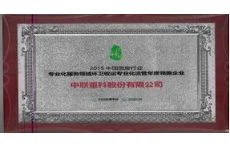
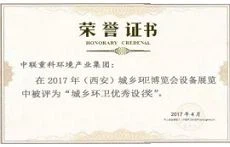
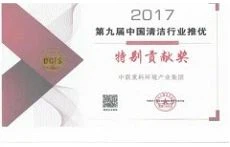
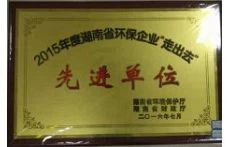
Certificate




Frequently Asked Questions
We're professional watering vehicle manufacturers and suppliers in China, specialized in providing high quality customized products. We warmly welcome you to buy cheap watering vehicle in stock here from our factory. Contact us for discount information.
Road Sprinkler, Water Tank Vehicle, emergency water tanker