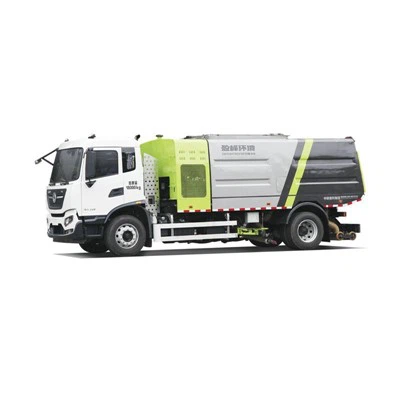
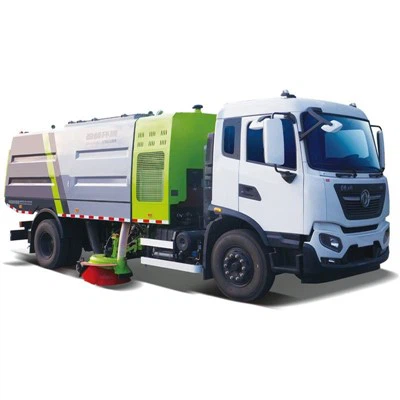
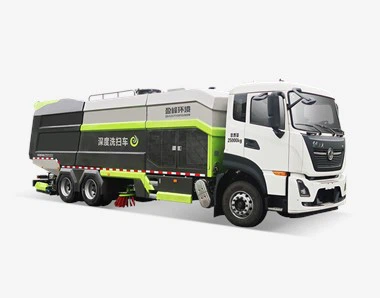
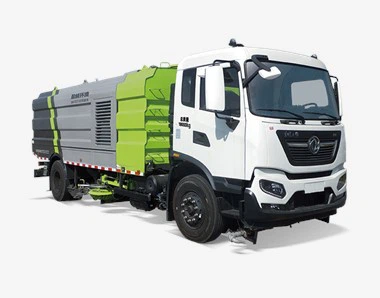
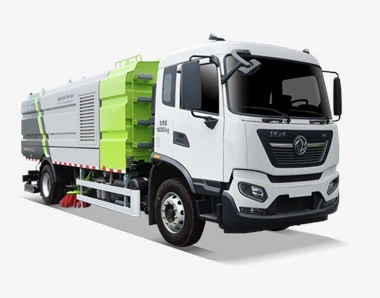
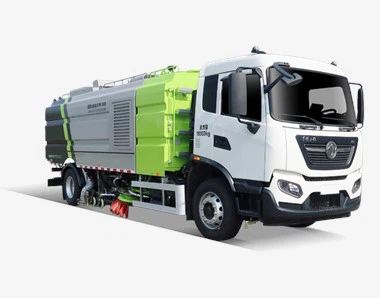
Your Professional Road Sweeper Supplier!


Yingfeng Environmental Technology Group Co., Ltd. mainly produces intelligent environmental protection equipment dominated by environmental protection robots. Its product line covers a full range of products including garbage collection and transportation vehicles, road sweepers, new energy vehicles, environmental monitoring systems, sewage treatment equipment, and environmental protection equipment.


Strong production capacity
Yingfeng Environmental products have been exported to more than 60 countries and regions around the world, including Europe, the Middle East, Southeast Asia, and Africa for more than ten years. It has 10 wholly-owned subsidiaries and 3 holding companies, 3 major industrial bases, 160+ branches, 140+ operation centers, and 260+ after-sales service outlets.


Strong R&D capabilities
Yingfeng Environment originated from a national scientific research institute and has a profound scientific research background. It has guided and participated in the formulation of more than 80% of the industry's technical standards.


Advanced technology
Yingfeng Environment currently has 2,800 employees, including 600 technical engineers, with German design concepts and first-class production lines, and revenue in 2022 will reach US$1.7 billion.


Strong sales capabilities
The company's product market share has ranked first in the country for more than 20 years.


First 12 Last 1/2


Advantages of Road Sweeper
 
01/

Enhanced Cleanliness
Road sweepers effectively remove dirt, debris, litter, and other pollutants from road surfaces, ensuring a cleaner environment for pedestrians and vehicles.

02/

Improved Safety
By clearing away debris, leaves, and other potential hazards from the roads, sweepers help reduce the risk of accidents, ensuring safer driving conditions.

03/

Pollution Control
Regular sweeping helps to minimize airborne dust and particulate matter, which can be harmful to health.

04/

Improve the city image
Keep the roads clean, improve the city appearance, and enhance the happiness of residents. It is suitable for commercial areas, tourist attractions and other areas.

05/

Improve cleaning efficiency
Modern road sweepers are equipped with advanced technology that enables efficient cleaning operations, allowing them to cover large areas in a relatively short time compared to manual cleaning methods.

06/

Intelligent management
Many road sweepers are equipped with intelligent systems such as GPS positioning, automatic driving, remote monitoring, etc. to improve management efficiency. The cleaning mode can also be set according to the degree of pollution to improve resource utilization.


Application of Road Sweeper
 

Urban Street Cleaning

Sweeping removes dust, debris, and pollutants that can contribute to air and water pollution.Regular street cleaning enhances the appearance of urban areas, making them more appealing to residents and visitors.

Maintenance of Road Infrastructure

Accumulated debris can cause damage to road surfaces and decrease their lifespan; timely cleaning helps protect infrastructure.

Construction and Industrial Sites

In construction zones, sweepers help maintain a clean environment by removing rubble, dust, and other debris.A clean worksite reduces the risk of accidents and enhances safety for workers and pedestrians.

Parks and Recreational Areas

Sweeping paths, parking lots, and recreational areas ensures they remain clean for public use.Road sweepers prepare parks and event spaces for festivals, markets, and other gatherings by cleaning up after set-up.

Industrial Applications

Industrial areas often utilize sweepers for keeping factory floors and exterior areas free from debris and pollutants.Ensuring cleanliness in loading and unloading zones enhances safety and operational efficiency.

Airport and Port Facilities

Road sweepers are employed to keep airport runways and taxiways clear of debris to enhance safety for aircraft operations.Regular sweeping helps maintain cleanliness in loading bays and dock areas critical for logistical operations.


Types of Road Sweeper
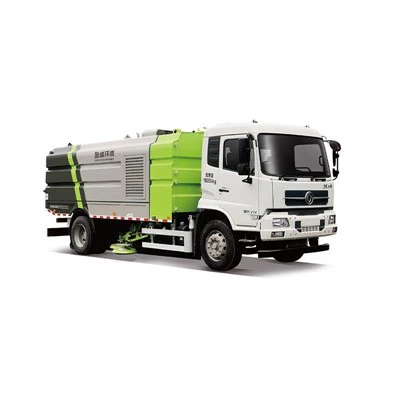
湿路清扫车
真空清扫机
垃圾转运站
压缩式垃圾车

Mechanical Broom Sweepers
Use rotating brushes to sweep debris into a hopper.Often suitable for heavy debris on rough surfaces.Can be mounted on trucks or operated as standalone machines.


Vacuum Sweepers
Utilize suction to pick up dirt, dust, and debris.Ideal for urban environments where fine particulate matter needs to be removed.


Regenerative Air Sweepers
Combine air jets and vacuum to lift debris from the surface.Effective for both fine dust and larger debris.Often used in street cleaning due to their efficient dust control capabilities.


Ride-On Sweepers
Operators sit on the machine for easier maneuverability.Good for larger areas like parking lots or industrial sites.


Walk-Behind Sweepers
Smaller, manual machines meant for tight spaces or smaller areas.Suitable for pavements, sidewalks, and small parking lots.Often used in conjunction with larger machines for more thorough cleaning.


Street Sweepers
Specifically designed for maintaining roads and highways.Usually mounted on trucks and equipped with various sweeping technologies.Designed for high-capacity cleaning to handle larger areas efficiently.


All-Electric Sweepers
Powered by batteries, these sweepers are environmentally friendly.Suitable for indoor use or urban areas with restrictions on emissions.Offer silent operation, which is ideal for night cleaning.


Parking Lot Sweepers
Designed for use in parking facilities to maintain cleanliness.Often equipped with features that allow them to navigate tight spaces.


Customized Solutions For Road Sweeper


Modular Design
Interchangeable Components: Design road sweepers with modular components that can be easily replaced or upgraded based on specific needs, such as different brooms, vacuum systems, or collection containers.
Custom Attachments: Offer custom attachments for specific tasks, such as leaf collectors, high-pressure water spray systems for dust control, or street washing kits.


Advanced Sensor Integration
Smart Sensors: Incorporate sensors to detect debris types and sizes, optimizing the sweeping process based on real-time requirements.
GPS and Navigation Systems: Implement GPS for route optimization and real-time tracking of the sweeper to enhance operational efficiency.


User-Centric Designs
Ergonomic Controls: Design user-friendly controls and interfaces that help operators efficiently manage the sweeper, reducing fatigue and increasing productivity.
Comfort Features: Incorporate comfortable seating, climate control, and visibility enhancements to improve operator experience.


Specialized Sweepers
Urban vs. Rural Models: Tailor different sweeper models for urban and rural applications, focusing on specific debris (urban litter vs. agricultural residues).
Niche Applications: Create sweepers designed for unique environments, such as airport runways, industrial sites, or road construction zones.


Custom Branding
Customized Finishes: Offer branding options for municipalities or companies, including custom colors, logos, and graphics on the sweepers.
Themed Sweepers: Create themed designs that align with specific community programs or events (e.g., holiday-themed sweepers).


Consultation and Customization Services
Needs Assessment: Conduct on-site evaluations to determine specific customer needs and provide tailored recommendations.
Bespoke Solutions: Work closely with customers to develop bespoke solutions that address their unique challenges, whether related to debris types, operational scale, or budget constraints.


Maintenance precautions for Road Sweeper
 
Four Seasons All-around Cleaning Truck

Pre-Operation Checks

Regular inspection: Inspect the road sweeper's components, such as the brushes, fan, and hydraulic system, to ensure they are in good condition.


Oil and hydraulic fluid levels: Check the oil and hydraulic fluid levels, and top them up as necessary.


Air filter: Inspect and clean or replace the air filter if necessary.


Battery: Check the battery condition and charge level.


Lights and warning devices: Ensure that all lights and warning devices are functioning properly.

Daily Maintenance

Clean the brushes: Clean or replace the brushes as necessary to maintain their effectiveness.


Check the fan: Check the fan for any blockages or damage, and clean or replace it if necessary.


Check the hydraulic system: Check the hydraulic system for leaks or damage.


Inspect the tires: Inspect the tires for proper inflation, wear, and damage.


Check the belts: Inspect the drive belts for wear, cracks, or damage.
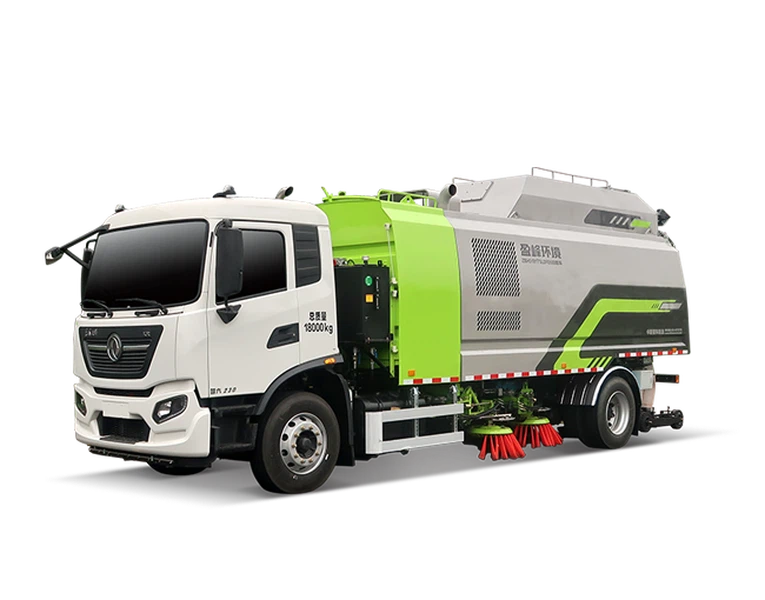
Fast Sweeper
Road Pollution Removal Vehicle

Scheduled Maintenance

Oil changes: Perform oil changes at the recommended interval.


Filter replacement: Replace the air filter, fuel filter, and hydraulic filter as recommended by the manufacturer.


Brush replacement: Replace the brushes at the recommended interval.


Fan maintenance: Perform fan maintenance as recommended by the manufacturer.


Hydraulic system maintenance: Perform hydraulic system maintenance as recommended by the manufacturer.

Safety Considerations

Personal protective equipment: Ensure that the operator is wearing personal protective equipment, such as gloves, safety glasses, and a hard hat.


Lock-out/tag-out: Implement a lock-out/tag-out procedure to prevent the road sweeper from being operated while maintenance is being performed.


Warning signs: Use warning signs to alert pedestrians and other road users to the presence of the road sweeper.


Regular training: Provide regular training for operators on the safe operation of the road sweeper.

Road Cleaning


Certificate


Q: What is a road sweeper?

A: A road sweeper is a specialized vehicle designed for cleaning streets, parking lots, and other paved surfaces. It typically uses a combination of brushes and vacuum systems to collect debris, dirt, and litter.

Q: How does a road sweeper work?

A: Road sweepers work by using rotating brushes to agitate and lift debris from the road surface. A vacuum system then collects the loosened material and stores it in a hopper for later disposal.

Q: What are the main types of road sweepers?

A: There are several types of road sweepers, including:
Mechanical sweepers: Use brushes to sweep debris into a hopper.
Vacuum sweepers: Use powerful vacuums to suck up dirt and debris directly.
Electric sweepers: Environmentally friendly options powered by electric motors.
Combination sweepers: Combine both mechanical and vacuum cleaning methods for improved efficiency.

Q: What are the benefits of using a road sweeper?

A: Improved cleanliness: Regular sweeping keeps roads and public areas tidy.
Safety: Reduces hazards caused by debris and litter.
Environmental benefits: Prevents pollutants from entering stormwater systems.
Prolonged pavement life: Helps to maintain road surfaces by minimizing damage from grime and debris.

Q: How often should roads be swept?

A: The frequency of road sweeping can depend on various factors such as location, traffic volume, and weather conditions. Urban areas may require more frequent sweeping compared to rural areas.

Q: Can road sweepers operate in all weather conditions?

A: Most road sweepers can operate in various weather conditions; however, heavy rain or snow may hinder their effectiveness. Operators may also have to consider safety when dealing with wet or slippery surfaces.

Q: What debris can road sweepers collect?

A: Road sweepers can effectively collect a wide range of debris, including leaves, dirt, gravel, litter, and small objects. However, they may not be suitable for heavy or bulky waste.

Q: Are road sweepers environmentally friendly?

A: Many modern road sweepers are designed to minimize environmental impact with features like water systems to suppress dust and environmentally friendly fuels. Electric models further enhance sustainability.

Q: How do I know what type of road sweeper to choose?

A: Your choice of road sweeper should depend on the specific cleaning requirements, such as the type of surface to be cleaned, the volume of debris, and the budget available. Consulting with manufacturers or service providers can provide tailored recommendations.

Q: What maintenance do road sweepers require?

A: Regular maintenance for road sweepers includes tasks such as cleaning the brushes, checking and replacing filters in vacuum systems, inspecting tires and brakes, and ensuring that the engine and hydraulic systems are functioning properly.

Q: Is operator training required for road sweepers?

A: Yes, proper operator training is essential to ensure safe and effective operation. Operators should be familiar with safety procedures, equipment handling, and maintenance requirements.

Q: Where can I purchase or rent a road sweeper?

A: Road sweepers can be purchased or rented from specialized equipment dealers, industrial supply companies, or rental agencies that focus on outdoor and maintenance equipment.


productcate-1-1

productcate-230-147
productcate-230-147
productcate-230-147
productcate-230-147
productcate-230-147
productcate-1-1
productcate-1-1
productcate-1-1
productcate-1-1
productcate-1-1
productcate-1-1
 
productcate-1-1
productcate-1-1
productcate-1-1
productcate-1-1
productcate-1-1
productcate-1-1
 
productcate-1-1
productcate-1-1
productcate-1-1
productcate-1-1
productcate-1-1
productcate-1-1
 
productcate-1-1
productcate-1-1
productcate-1-1
productcate-1-1
productcate-1-1
productcate-1-1


Frequently Asked Questions


Q: What is Garbage Transfer Collection?

A: Garbage collection and transfer refers to the whole process of collecting garbage from the garbage generating point (such as community, shopping mall, construction site) and transporting the garbage to the treatment site (such as landfill, incineration plant, recycling center) through garbage truck or transfer station. It includes garbage collection and transportation equipment (such as compression garbage truck, hanging bucket garbage truck), garbage transfer station (fixed, mobile), intelligent management system, etc.

Q: What are the main equipment for garbage collection and transfer?

A: Mainly includes the following types of equipment:
Garbage collection truck (such as compression garbage truck, hanging bucket garbage truck, sealed garbage truck)
Garbage transfer truck (such as hook arm garbage truck, dump garbage truck, large compression garbage truck)
Garbage compression equipment (such as fixed garbage compression station, mobile garbage compression station)
Intelligent garbage management system (such as GPS scheduling, weighing monitoring, intelligent garbage can)
When purchasing, it is necessary to select the appropriate equipment according to the type of garbage, transportation distance, and environmental protection requirements.

Q: What factors need to be considered when choosing a garbage collection truck?

A: The following aspects are mainly considered:
Type of garbage (domestic garbage, kitchen waste, construction waste, medical waste)
Operating environment (city, community, construction site, rural area, scenic spot, etc.)
Transportation distance (short-distance transfer or long-distance transportation)
Environmental protection requirements (whether new energy vehicles are needed, such as electric and CNG garbage trucks)
Garbage disposal method (whether compression, sealing, oil-water separation and other functions are required)

Q: What is the difference between a compression garbage truck and an ordinary garbage truck?

A: Compression garbage trucks can compress garbage, reduce volume, and improve transportation efficiency. They are suitable for urban domestic garbage collection. Compared with ordinary garbage trucks, its advantages include:
Larger loading capacity (reduced number of transportation times)
Reduce odor leakage (sealed compartment to avoid pollution)
Suitable for long-distance transportation
However, compared with ordinary garbage trucks, compression garbage trucks are more expensive and suitable for areas with large garbage volumes.

Q: How to choose a suitable garbage transfer station when purchasing garbage transfer equipment?

A: The choice of garbage transfer station mainly depends on the amount of garbage, transportation distance, floor space, and environmental protection requirements. Common types include:
Fixed garbage compression station (suitable for cities and towns, with large processing capacity)
Mobile garbage compression station (suitable for scenes with small garbage volume or flexible transportation)
Underground garbage station (suitable for high-density urban areas, small footprint, good environmental performance)
If the amount of garbage is large, it is recommended to choose a fixed compression station to improve efficiency.

Q: Which is more suitable, electric garbage truck or fuel garbage truck?

A: Electric garbage trucks are suitable for cities, parks, scenic spots and other places with high environmental protection requirements. The advantages are:
Zero emissions, low noise
Low operating cost (charging cost is lower than fuel)
Government subsidy support
But the cruising range is limited and suitable for short-distance transportation.
Fuel garbage trucks are suitable for long-distance garbage transportation and large-scale garbage collection and transportation. They are more powerful and suitable for construction waste and industrial waste transportation.

Q: What is the difference between hook-arm garbage trucks and hanging bucket garbage trucks?

A: Hook-arm garbage truck (Hook Lift Garbage Truck):
Suitable for recycling of multiple garbage bins, one car can be equipped with multiple garbage bins
Fast loading and unloading speed, reducing operation time
Suitable for garbage transfer stations and large garbage treatment centers
Bin Lifter Garbage Truck:
Suitable for fixed garbage bin collection in residential areas, commercial areas, etc.
Automatically lift garbage bins to improve efficiency
Suitable for small garbage collection and transportation

Q: How to reduce the cost of garbage transportation?

A: The following strategies can help reduce the cost of garbage collection and transportation:
Use compression garbage trucks (reduce the number of transportation times and reduce fuel consumption)
Optimize garbage collection and transportation routes (use GPS scheduling system to reduce empty driving)
Use new energy garbage trucks (such as electric garbage trucks to reduce fuel costs)
Build garbage compression stations (reduce garbage volume and improve transfer efficiency)

Q: How to collect and transport food waste and medical waste?

A: Food waste truck → Equipped with oil-water separation and sealed transportation to prevent liquid leakage
Medical waste truck → Uses fully sealed structure and ultraviolet sterilization, in line with medical waste transportation standards
Hazardous waste transfer truck → Suitable for chemical waste and electronic waste, must have anti-corrosion and anti-leakage design

Q: Can garbage collection and transportation equipment be customized?

A: Yes! Garbage collection and transportation equipment can be customized according to the type of garbage, transportation needs, and environmental protection requirements, such as:
Garbage sorting and transportation vehicles (multi-compartment separation design)
New energy garbage trucks (electric, hydrogen energy, CNG/LNG)
Intelligent garbage collection and transportation system (GPS scheduling, automatic weighing)
Special garbage transportation vehicles (kitchen waste, medical waste, construction waste)
Customized equipment can improve operational efficiency, reduce costs, and meet regulatory requirements.

We're professional road sweeper manufacturers and suppliers in China, specialized in providing high quality customized products. We warmly welcome you to buy cheap road sweeper in stock here from our factory. Contact us for discount information.

Zoomlion road sweeper, Sewage Suction Truck, diesel road sweeper

(0/10)

clearall