


Waste Transfer Stations
Why Choose Us Changsha Infore Enviro Industry Co., Ltd devotes to becoming an integrated service provider of "high-end environmental equipment manufacturing + urban and rural environmental operation", which is reputable and leading all over the world. We specialize in producing...
Product Introduction
Changsha Infore Enviro Industry Co., Ltd devotes to becoming an integrated service provider of "high-end environmental equipment manufacturing + urban and rural environmental operation", which is reputable and leading all over the world. We specialize in producing Container-Detachable Garbage Truck (Transfer Type), Refuse Pick-up Truck (Transfer Type), Garbage Transfer Compression Stations, Garbage Compression Transfer Stations, High Level Direct Pressure Compressor, Garbage Station Horizontal Collection, and other Waste Transfer Stations.
Professional Manufacturer
The powerful R & D capability and abundant product series will provide a complete set of systematic solutions of environmental field for customers, including front-end collection, transfer in the middle and disposal terminal disposal.
Strong R&D Capabilities
Infore Enviro, originating from national-level scientific research institute, owns profound scientific research deposits, and has guided and participated in the formulation of more than 80% of technical standards of the industry.
Top Supplier
The company product market share in China ranks first almost every year.
Sustainable Development
Infore Enviro has totally 2800 employees, including 600 technical engineers, The workshop covers an area of 160,000 square meters, with the German design concept and first-class production line.Revenue reached $1.7 billIon in 2022.
Architectural design & planning cepteur sint occaecat cupidatat proident, taken possession of my entire soul, like these sweet mornings of spring which I enjoy with my whole...Architectural design & planning cepteur sint occaecat cupidatat proident, taken possession od my entire soul, like these sweet mornings of spring which I enjoy with my whole Lorem ipsum dolor sit ament, consectetur adipisicing elit,sed do eiusmod tempor incididunt labore et dolore magna aliqua. it enim ad minim veniam.
Architectural design & planning cepteur sint occaecat cupidatat proident, taken possession of my entire soul, like these sweet mornings of spring which I enjoy with my whole...Architectural design & planning cepteur sint occaecat cupidatat proident, taken possession od my entire soul, like these sweet mornings of spring which I enjoy with my whole Lorem ipsum dolor sit ament, consectetur adipisicing elit,sed do eiusmod tempor incididunt labore et dolore magna aliqua. it enim ad minim veniam.

Container-Detachable Garbage Truck
The container-detachable garbage truck (Transfer type) is one waste transfer vehicle matched for waste transfer stations and is mainly used to transfer the compressed household waste compacted by the waste transfer stations in sealed manner to the garbage disposal sites.

Refuse Pick-up Truck (Transfer Type)
The detachable garbage truck (transfer type) is a kind of garbage transfer truck supporting the garbage transfer station, which is mainly used for the sealed transfer of household garbage to the garbage disposal site after the compression and reduction of the garbage transfer station.

Garbage Transfer Compression Stations
LYSZ20CY garbage Transfer compression stations are my company according to the specific situation of the domestic sanitation equipment, the response country garbage classification requirements, the advanced technology and technology of the garbage disposal at home and abroad for reference, and research and development of new products, mainly used for the residents of urban streets, commercial districts, factories, schools, hospitals, wet garbage (excluding eat hutch garbage) are collected.

Garbage Compression Transfer Stations
LYSZ18A garbage compression Transfer stations are a garbage compression and treatment equipment with advanced technology and process independently developed by our company according to the domestic market demand of sanitation equipment and garbage collection and transfer mode.

High Level Direct Pressure Compressor
LYG15 High level direct pressure compressor is a kind of garbage compression and transfer equipment developed by our company for small and medium sized terminal garbage compression and transfer station according to the characteristics of garbage compression and treatment in domestic small garbage collection station market and the demand of different domestic markets.

Garbage Station Horizontal Collection
LYSZ15A Garbage station horizontal collection is a waste compression and treatment equipment with advanced technology and process independently developed by our company according to the domestic market demand of sanitation equipment and garbage collection and transfer mode.
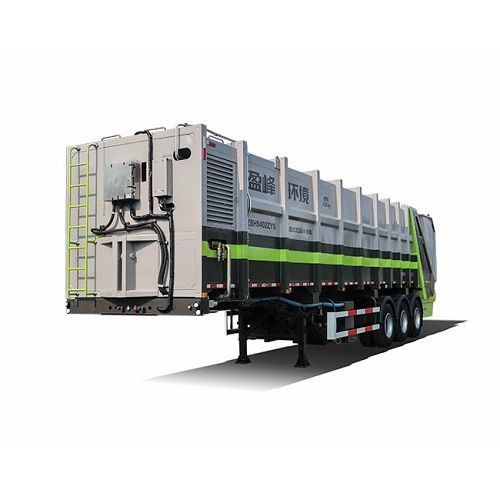
Rear-Loading Compression Garbage Semi Trailer
The product has a variety of functions such as garbage collection, automatic compaction of garbage, garbage transfer and shirking, using loaders and self-loading garbage trucks docking loading, can replace the transfer station, station dual-use, suitable for long-distance collection and transfer of a large number of garbage.
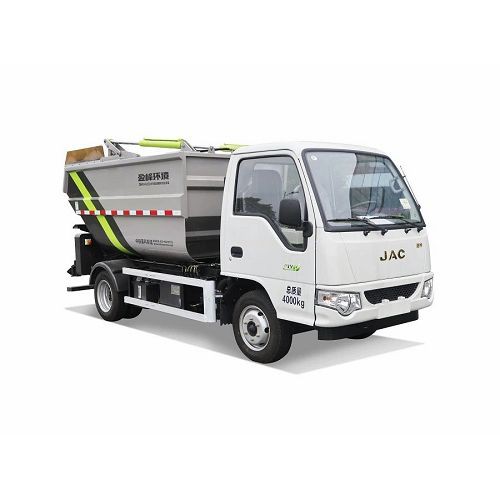
Self-Loading Dumping Garbage Truck
ZBH5040ZZZHFE6 Self-loading Dumping Garbage Truck is a self-loading garbage truck developed by Changsha Zoomlion Environmental Industry Co., LTD according to the market needs. The car is beautiful in appearance and innovative.

Garbage Station Vertical Collection
YJC400B Garbage station vertical collection complete set of equipment is our company according to the specific situation of domestic sanitation equipment, learn from the advanced technology and process of garbage treatment at home and abroad and developed patent products.
Improved Efficiency
The primary benefit that comes with having a transfer station in your community is improved efficiency. These facilities allow for waste collection and transportation to occur in one centralized location, cutting down on the time it takes waste materials to reach their final destination.
Environmental Benefits
In addition to the economic benefits transfer stations offer, they also provide essential environmental benefits. By encouraging local residents and businesses to recycle or dispose of their waste items responsibly, these facilities help reduce the amount of landfill space that is needed in a community, which can have a positive impact on overall air quality.
Education and Awareness
As we'e mentioned, one of the key benefits that come with having a transfer station in your community is ongoing education and awareness. By creating a space where residents can learn about proper waste disposal techniques and recycling best practices, transfer stations help to develop more sustainable attitudes toward these critical issues in local communities.
Reliability and Convenience
Transfer stations offer a level of reliability and convenience that is hard to find elsewhere. By providing easy access to waste disposal and recycling services, these facilities help to ensure that local residents and businesses have the support they need to manage their waste in an efficient and cost-effective way.
Type of Waste Transfer Stations
Push Pit Transfer Stations
A push pit transfer station's name defines the method used. The facility is designed with an elevated tipping floor, typically about 15′ above the pit floor where the transfer trailer sits. Above the transfer trailer is an open hole in the floor roughly 45′ long x 7′ wide. Typically, push pit designs use a drive-thru pit in lieu of a back-in pit. Haul trucks and customers bring in the waste and deposit it directly onto the tipping floor. This facility typically uses a loader operator as well as a small excavator or knuckle boom within the footprint. The loader operator pushes the trash from the pile to the open hole and directly into the trailer. The knuckle boom then compacts the waste in the back of the trailer so as to ensure that they hit the maximum axle weights. Typical load times for this method for trained operators can be as low as four to eight minutes.

Surge Pit Facility
A surge pit is a facility where the tip area is elevated from the storage floor and then the pits are push pit, lift and load or compactors. The surge pit is used for storage and compaction of the materials prior to loading the trailers for the landfill. This facility is typically used for very high throughput that comes in short spurts, thus needing the additional storage. It is also good for areas where the trailers do not have maximum weights and the operator can compact and crush the material thus allowing for more material in trailers. As mentioned, there are various methods that can be used to haul out the material (lift and load, push pit, compactors, etc.). The surge pit can also be valuable for sites loading rail cans. The separation from the tip floor to the surge pit floor can vary widely but is typically 8′ to 20′. This design can use a back-in pit or a drive-thru pit that would be driven by the site layout, site grading and throughput requirements. This method requires multiple pieces of equipment depending on the operational goals of the facility. Site goals should be defined in detail in order to design this.
Direct Tip Facility
A direct tip transfer station is similar in design to a push pit, but the main difference is the haul trucks tip directly into a trailer waiting in the pit area. The tipping area is typically raised and the trailer is close to existing grade. The separation between the tipping floor and the "pit" floor needs to be 13′ to 15′ in depth. This design can use a back-in pit or a drive-thru pit that would be driven by the site layout, site grading and throughput requirements. Inbound material is tipped directly into a waiting trailer, which may or may not be compacted by another piece of equipment. Typically, a site manager moves trailers around to ensure that there is always room for inbound material. A direct tip facility typically does low volume. A good use of this method is for transload of recyclables so as to not crush them before they make it to the recycling facility for processing. The location of this type of facility is in areas where only open air transfer stations are permitted. Since material cannot be stockpiled, it needs to tip directly into a trailer. This method requires only one employee to operate the facility on a daily basis, depending on throughput and number of loading stations.
Certifications


Our Factory


FAQ
Q: What are the 3 types of transfer stations?
Q: What are the benefits of waste transfer stations?
Q: What are the factors to be considered in selection of transfer station?
Q: What is an example of waste transport?
Q: How is waste transfer?
Q: What are the classification of transfer stations?
Q: How does a Waste Transfer Station differ from a landfill?
Q: Why are Waste Transfer Stations necessary?
Q: Do Waste Transfer Stations recycle materials?
Q: How often is waste transported from a Waste Transfer Station to a disposal site?
Q: Can individuals or businesses use Waste Transfer Stations?
Q: Do Waste Transfer Stations emit odors or pollutants?
Q: Can construction and demolition waste be processed at Waste Transfer Stations?
Q: Can Waste Transfer Stations handle large or bulky items?
Q: What are transfer stations designed for?
Hot Tags: waste transfer stations, China waste transfer stations suppliers, manufacturers, sewage suction trucks vacuum sewer cleaner truck, airport sweeper trucks, Airport Vacuum Road 6x4 High pressure Cleaning Truck, high quality city street sweeper, Airport Road Sweeper, Sweeping Vehicle
You Might Also Like




Send Inquiry
