

Yingfeng Environmental Technology Group Co., Ltd. mainly produces intelligent environmental protection equipment dominated by environmental protection robots. Its product line covers a full range of products including garbage collection and transportation vehicles, road sweepers, new energy vehicles, environmental monitoring systems, sewage treatment equipment, and environmental protection equipment.
Strong production capacity
Yingfeng Environmental products have been exported to more than 60 countries and regions around the world, including Europe, the Middle East, Southeast Asia, and Africa for more than ten years. It has 10 wholly-owned subsidiaries and 3 holding companies, 3 major industrial bases, 160+ branches, 140+ operation centers, and 260+ after-sales service outlets.
Strong R&D capabilities
Yingfeng Environment originated from a national scientific research institute and has a profound scientific research background. It has guided and participated in the formulation of more than 80% of the industry's technical standards.
Advanced technology
Yingfeng Environment currently has 2,800 employees, including 600 technical engineers, with German design concepts and first-class production lines, and revenue in 2022 will reach US$1.7 billion.
Strong sales capabilities
The company's product market share has ranked first in the country for more than 20 years.

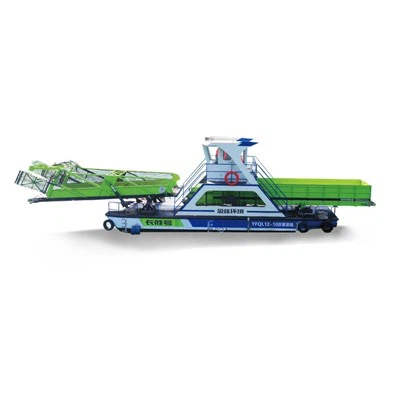
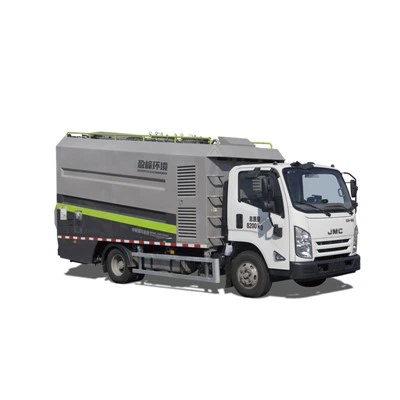
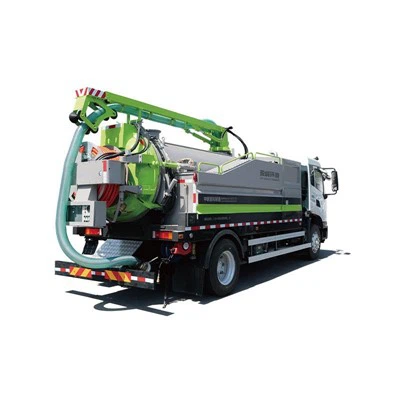
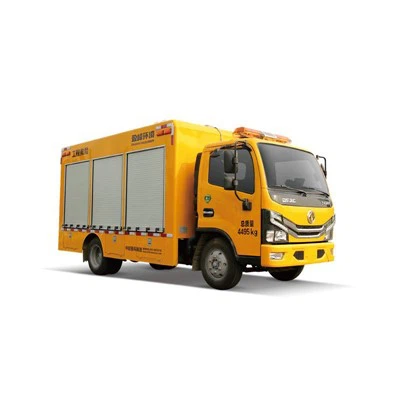




Advantages of Municipal Vehicles
Efficient Public Services
Municipal vehicles are crucial for the efficient delivery of public services such as waste collection, street cleaning, snow removal, and emergency and healthcare services.
Improved Service Delivery
Municipal vehicles can facilitate quick response times for emergency services, public works, and waste management, enhancing overall service delivery and customer satisfaction.
Increased Safety
Municipal vehicles often come equipped with safety features such as collision avoidance systems, backup cameras, and blind spot detection to ensure the safety of passengers, drivers, and pedestrians.
Increased Mobility
Municipal vehicles can offer reliable and accessible transportation options for seniors, people with disabilities, and other vulnerable populations, promoting social inclusion and connectivity.
Enhanced Productivity
With features like automation, telematics, and route optimization, municipal vehicles can increase productivity and efficiency in various operations.
Infrastructure and Community Maintenance
These vehicles ensure that infrastructure is maintained, parks are cleaned, and public spaces are cared for, contributing to the overall quality of life in a community.
Application of Municipal Vehicles




Waste Management
Garbage trucks collect solid waste and recyclables from residential and commercial areas.Street sweepers clean streets, reducing litter and debris.
Public Transportation
Buses provide mass transit services, connecting residents to jobs, schools, and essential services.Specialized vehicles, such as paratransit buses, serve individuals with disabilities.
Emergency Services
Fire engines and ambulances are essential for responding to emergencies and providing medical services.Police vehicles are used for patrols and responding to incidents.
Road Maintenance and Repair
Plow trucks and salt spreaders are utilized for snow removal and winter road maintenance.Pothole repair trucks and asphalt patching machines are deployed for road repairs.
Parks and Recreation
Utility vehicles are used for maintenance of parks, sports fields, and public recreational facilities.Mowers and other landscaping equipment help maintain green spaces.
Urban Planning and Inspection
Survey and inspection vehicles are used by city planners and engineers to assess land and infrastructure.Vehicles equipped with specialized technology for monitoring local conditions (e.g., air quality).
Public Health and Safety
Mobile vaccination units and health clinics ensure access to healthcare services.Vehicles used for disaster response and recovery efforts.
Community Services
Vehicles for food distribution programs or mobile community service initiatives.Outreach vehicles that serve neighborhoods, providing educational resources or activities.
Construction and Infrastructure Development
Heavy-duty vehicles like dump trucks, backhoes, and excavators are used in construction projects.Service vehicles for municipal crews involved in the development and rehabilitation of public infrastructure.
Types of Municipal Vehicles
Sanitation vehicles
Garbage trucks: Used to collect and transport urban garbage, including compression garbage trucks, dump trucks, swing-arm garbage trucks, etc.
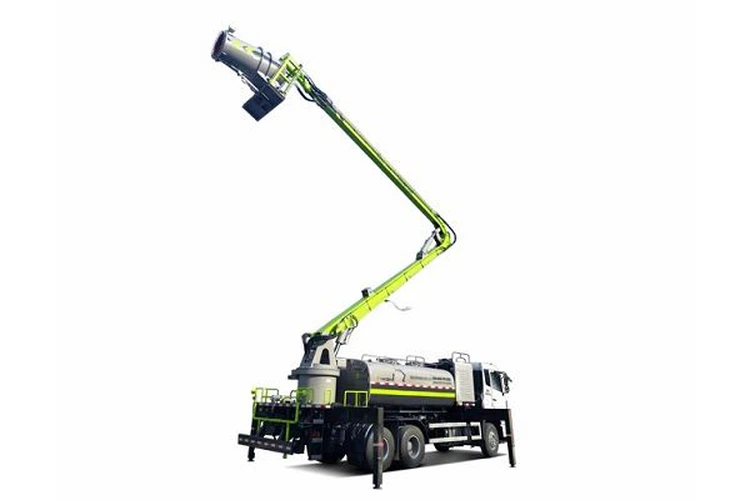
Sprinklers: Suitable for road washing, tree greening watering, construction site dust reduction, high-altitude building washing, etc.
Road sweepers: Responsible for sweeping, washing, garbage collection and other operations on urban roads, which can effectively keep roads clean and improve the level of urban environmental sanitation.
Engineering vehicles
Aerial work vehicles: Used for high-altitude equipment installation, maintenance, tree pruning and other operations, usually with a liftable work platform, which can send workers and tools to high-altitude work locations.
Power repair vehicles: Equipped with power repair tools and equipment, used for power facility failure repair, maintenance and other work to ensure urban power supply.
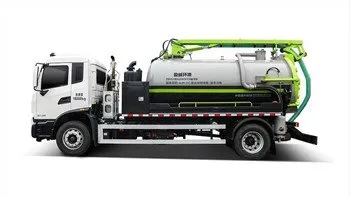
Hydraulic rescue vehicles: Used for drainage and rescue operations in emergencies such as floods and water pipe ruptures in cities, usually equipped with high-power drainage pumps and other equipment.
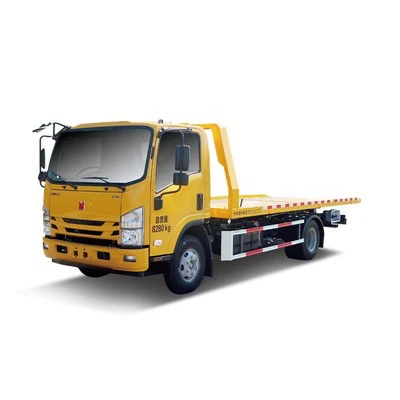
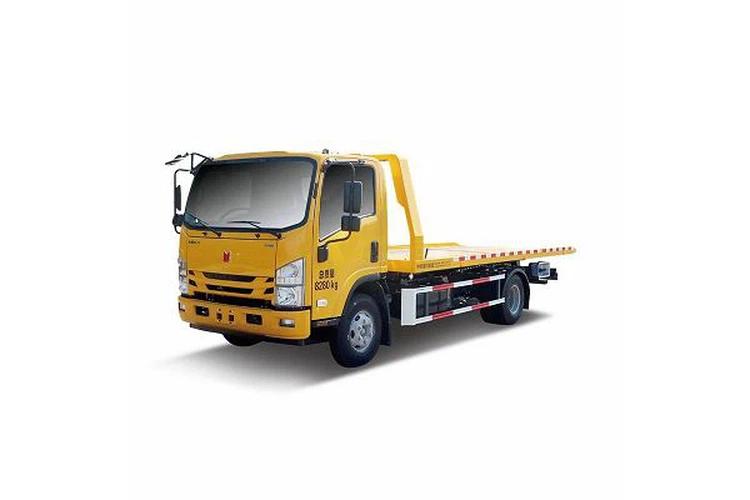
Road rescue vehicles: Including flatbed trailers, tow trucks, etc., used for towing, moving, lifting and other rescue operations on faulty vehicles and accident vehicles to ensure smooth roads.
Public service vehicles
Ambulance: Used for emergency medical rescue, quickly sending patients to the hospital, equipped with medical emergency equipment and medicines.
Fire trucks: There are many types of fire trucks, emergency rescue fire trucks, and high-rise fire trucks, which are used for fire fighting, emergency rescue and other work to ensure urban fire safety.
Police cars: Including patrol police cars, criminal investigation vehicles, prison vans, etc., used for maintaining social order, combating crime, traffic management and other police work.
Public buses: Used for urban public transportation to provide travel services for residents, including regular public buses, trolley buses, etc.
Special operation vehicles
Snowplows: Used to clear snow on the road in winter to ensure road traffic safety and smoothness. Common ones include snowplows, snowblower trucks, and salt spreaders.
Airport special vehicles: Such as baggage tractors, aircraft guide vehicles, aircraft de-icing vehicles, etc., used for various ground support operations at the airport.
Garden operation vehicles: Such as greening sprayers, branch crushers, lawn mowers, etc., used for greening maintenance and management of urban gardens.
Customized solutions for Municipal Vehicles
Preliminary research and demand analysis
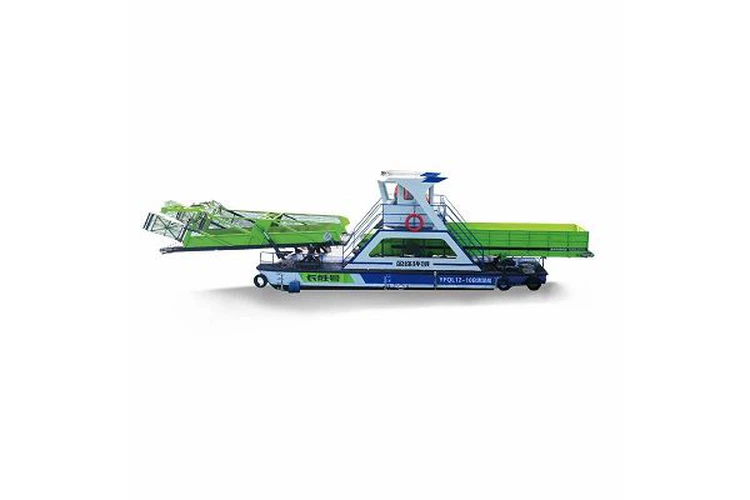
User communication: In-depth communication with municipal departments to understand their specific business scenarios, work processes and special requirements for vehicles.
Field investigation: Observe the municipal work site on site to understand the characteristics of the actual working environment, such as road conditions, building distribution, garbage generation and distribution area.
Adaptability customization
Size: Customize the size of the vehicle according to local road conditions and parking lot size.
Color: Customize the main color of the vehicle according to the regulations or cultural characteristics of the local municipal department. For example, sanitation vehicles in some cities are uniformly green, symbolizing environmental protection; fire trucks are red for easy identification and warning.
Logo and pattern: Spray or paste the logo, name, service hotline and other logos of the municipal department on the vehicle body, as well as patterns related to the vehicle function, such as garbage classification logos can be printed on garbage trucks, and eye-catching first aid logos can be printed on ambulances.
Intelligent and information customization
Sensor integration: By installing encoders, wire encoders, inclinometers and other sensors, the operating status and position of the vehicle can be monitored in real time to improve operation accuracy and safety.
Remote monitoring: Use GPS and communication modules to achieve remote positioning, dispatching and status monitoring of vehicles, and improve management efficiency.
Multifunctional integration: Design road cleaning vehicles with integrated functions of sweeping, watering and vacuuming to reduce the number of operating vehicles and improve work efficiency.
Safety and comfort customization
Advanced driver assistance system (ADAS): Equipped with collision warning, lane departure warning and other functions to ensure driving safety.
High protection level design: Use high-strength materials and structural design to ensure the reliability and durability of the vehicle in harsh environments.
Comfortable cab: Equipped with multi-function steering wheel, electric heating of rearview mirrors, hydraulic shock-absorbing seats, etc., to improve the comfort of the driver.
Convenient operation interface: Use touch screen and human-computer interaction interface to simplify the operation process and improve work efficiency.

Regularly schedule maintenance
Create a maintenance schedule for all municipal vehicles and adhere to it consistently. This will help prevent breakdowns and ensure reliable performance.
Inspect tires
Check the tire pressure, tread depth, and overall condition of the tires regularly. Proper tire maintenance can improve fuel efficiency and overall safety.
Monitor fluid levels
Regularly check and top off fluid levels, including oil, coolant, brake fluid, and transmission fluid. Low levels can cause damage to the vehicle's engine and other components.
Check brakes
Inspect the brakes regularly and replace pads and rotors as needed. Properly functioning brakes are essential for the safety of drivers, passengers, and pedestrians.
Keep a clean and organized vehicle
Regularly clean and organize the interior and exterior of municipal vehicles. A clean vehicle is not only more visually appealing but also helps prevent corrosion and rust.
Train maintenance staff
Ensure that all maintenance staff are properly trained in vehicle maintenance and repair procedures. This will help prevent mistakes and ensure that vehicles are maintained properly.
Keep records
Keep detailed maintenance records for each municipal vehicle, including dates of service, repairs performed, and parts replaced. This information can help identify patterns and trends in vehicle maintenance needs.
Regularly review maintenance procedures
Periodically review and update maintenance protocols and procedures to ensure that they align with the latest industry standards and best practices.
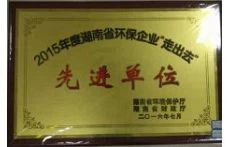
Certificate







Frequently Asked Questions
We're professional municipal vehicles manufacturers and suppliers in China, specialized in providing high quality customized products. We warmly welcome you to buy cheap municipal vehicles in stock here from our factory. Contact us for discount information.
25 Ton Series Dust Suppression Truck, beiben sewage suction truck, high pressure vacuum sewage suction truck 6 2 cube meters